
Tango begins with a pulse, but its character often lives between the beats: an unexpected pause, a delayed melody, a phrase that seems to speak. Here is a short guide to hearing its music, dance and poetry together.
A culture of the Río de la Plata
Tango developed in the urban communities of Buenos Aires and Montevideo, shaped by exchanges among European immigrants, Afro-descendant populations and local criollo communities. It belongs to both Argentina and Uruguay. UNESCO recognized this shared tradition as Intangible Cultural Heritage in 2009.
There is no single instrument or step that explains all of tango. Its history includes social dancing, instrumental music, sung poetry and music intended primarily for the concert stage. Different generations have changed the sound while continuing to argue, affectionately or otherwise, about what makes it tango.
The orchestra—and the guitar
The guitar has a long place in tango, from early ensembles to the accompaniment of singers and the solo recital. The familiar orquesta típica, however, is built around bandoneons, strings, piano and double bass. The guitar is an important voice in the tradition without being a permanent member of every tango orchestra.
When I arrange tango for classical guitar, one pair of hands has to suggest several roles. The bass gives direction, chords supply rhythmic punctuation, and the melody needs enough independence to sound sung. A useful question is not “How many notes are there?” but “Which voice should I be hearing now?”
Words, walking and silence
Tango lyrics can speak of lost love, a neighborhood, friendship, time or the changing city. Lunfardo, the vocabulary associated with Río de la Plata urban speech, gives many songs a particularly local flavor.
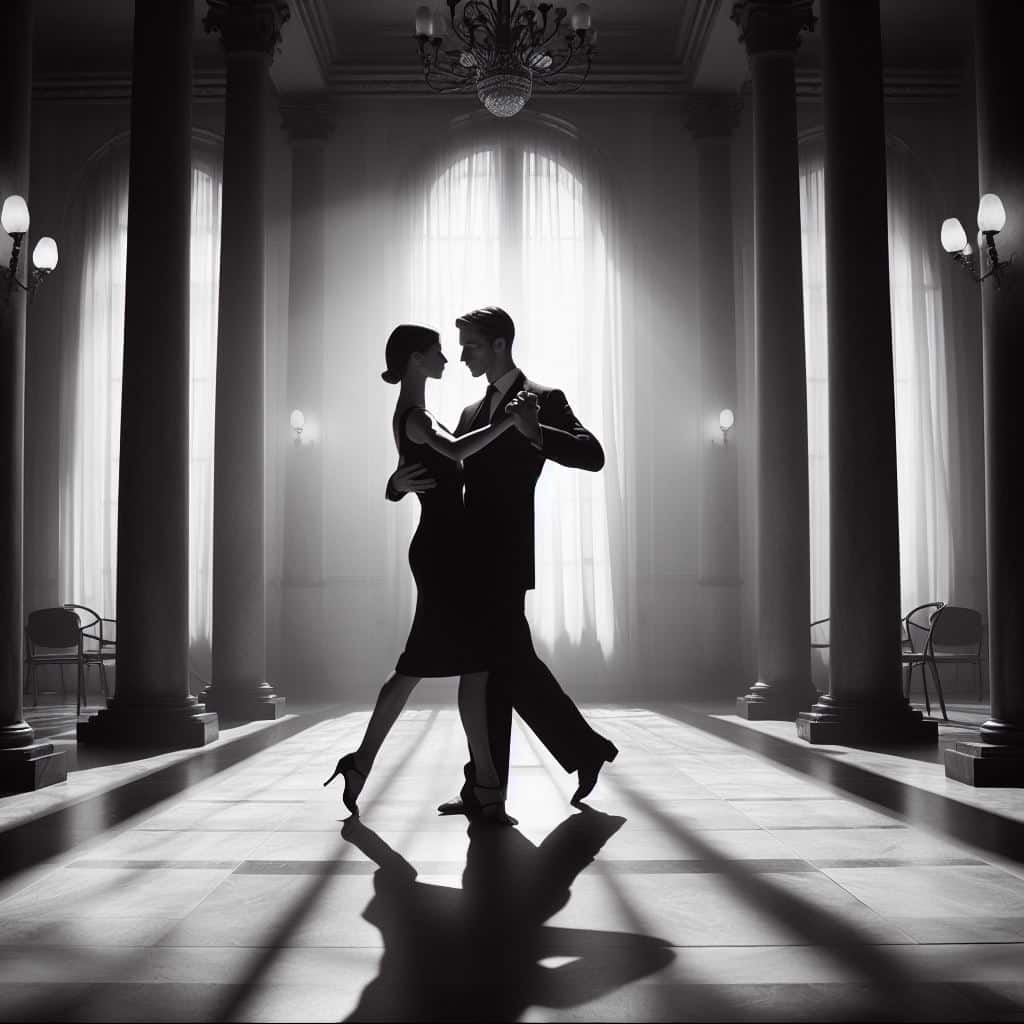
In social dancing, the embrace and the walk are central. The partners improvise their response to the music; a pause may be as expressive as a turn. Spectacular stage figures are only one part of a much broader dance culture.
Listen to the examples below as different readings of a language, rather than competing definitions of the “right” tango. The contrast makes the guitar’s own possibilities easier to hear.
Watch and listen
Explore the music: Guitar scores · Guitar albums
Keep reading: Milonga · Libertango · Pabellón de las Rosas
Sources and further reading: UNESCO: Tango, Argentina and Uruguay.